
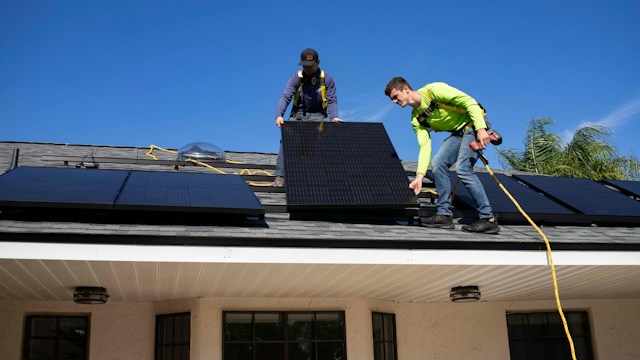
The Complete Guide to Residential Solar Energy in Washington State
Introduction
Solar energy is becoming an increasingly attractive option for homeowners looking to reduce their dependence on traditional electricity sources and build a more sustainable future. In Washington State, residential solar systems offer an opportunity to generate clean electricity while improving long-term energy management.
Although Washington is known for its cloudy weather, modern solar technology can produce electricity even when sunlight is indirect. With proper system design, professional installation, and regular maintenance, homeowners can benefit from reliable solar generation throughout the year.
At Sunforge, we focus on helping Washington homeowners understand their energy options and explore solar solutions tailored to their properties.
How Does Residential Solar Energy Work?
Residential solar energy systems use photovoltaic panels to convert sunlight into electricity. These panels are typically installed on rooftops where they can receive suitable sunlight throughout the day.
When sunlight reaches the solar cells, the panels generate direct current electricity. An inverter converts this electricity into alternating current, which powers common household appliances, lighting, and electrical systems.
If a solar system generates more electricity than the home currently needs, the excess may be exported to the utility grid, depending on the property’s utility connection and applicable policies. Some homeowners also install battery storage systems to save energy for later use.
The amount of electricity produced depends on factors such as roof orientation, shading, panel efficiency, seasonal weather, and overall system size.
Why Solar Energy Makes Sense in Washington
Washington State offers several conditions that can make residential solar installations worthwhile. Despite frequent cloudy days, solar panels can generate electricity from diffuse sunlight.
Long summer daylight hours can also contribute significantly to annual solar production. However, homeowners should understand that winter electricity generation is typically lower because of shorter days and reduced sunlight.
A properly designed system considers these seasonal variations when estimating annual energy production.
Solar installations can also help households manage future electricity expenses by reducing the amount of power purchased from the utility. Actual savings vary depending on installation costs, electricity rates, consumption patterns, and utility policies.
Key Benefits of Installing Solar Panels
One of the main benefits of residential solar energy is the ability to produce electricity directly at home. This can reduce reliance on grid-supplied electricity during periods of solar generation.
Solar power also supports environmental sustainability by generating electricity without direct operational greenhouse gas emissions.
Another advantage is flexibility. Homeowners can combine solar panels with battery backup systems, smart electrical panels, and electric vehicle charging equipment to create a more integrated energy system.
Solar installations may also contribute to property appeal, although any effect on resale value depends on local market conditions and system ownership.
What to Consider Before Installation
Before installing solar panels, homeowners should evaluate their property’s suitability.
Roof condition is particularly important. A roof approaching the end of its useful life may require repairs or replacement before panels are installed.
Shading from trees, neighboring buildings, and other obstacles can also influence system performance.
Electrical infrastructure must be assessed to determine whether existing equipment can accommodate the proposed solar installation.
Professional planning helps homeowners understand equipment choices, installation requirements, projected energy generation, and overall project costs.
Choosing the Right Solar Installation Partner
Selecting a qualified solar installation provider is an important part of the process. Homeowners should look for clear communication, detailed project assessments, transparent quotations, and appropriate licensing.
Sunforge was founded in 2011 with a mission to help Washington homeowners adopt clean, reliable solar energy. Through Northwest Electric & Solar, LLC, the company provides customized solar and electrical solutions focused on craftsmanship and customer service.
Conclusion
Residential solar energy offers Washington homeowners a practical way to explore cleaner electricity generation and greater control over household energy use.
By understanding system performance, installation requirements, and long-term maintenance needs, homeowners can make informed decisions about solar investments.