
Smart Electrical Panels vs. Traditional Panels: Which Is Better for Your Home?
Introduction
Your home’s electrical panel plays a central role in safely distributing electricity to lights, outlets, appliances, and other equipment. As residential electricity demands increase, many homeowners are considering whether their existing electrical panels can support modern technologies.
Electric vehicles, home battery systems, solar installations, and electric heating equipment can introduce new requirements for residential electrical infrastructure.
While traditional electrical panels remain suitable for many homes, smart electrical panels provide additional monitoring and control capabilities.
Understanding the differences between these technologies can help Washington homeowners determine which option best supports their current needs and future energy plans.
Understanding Traditional Electrical Panels
Traditional electrical panels distribute electricity from the utility supply to individual household circuits.
Circuit breakers help protect wiring against overcurrent conditions by interrupting electricity when certain faults or overloads occur.
These panels have been widely used in residential buildings for decades and continue to provide dependable electrical distribution when properly installed and maintained.
However, most conventional panels do not provide detailed information about electricity consumption on individual circuits.
Homeowners typically depend on utility bills, separate monitoring devices, or additional equipment to understand how much electricity their appliances consume.
What Makes Smart Electrical Panels Different?
Smart electrical panels combine electrical distribution with digital monitoring and, in some models, automated control features.
Depending on the product, homeowners may be able to view circuit-level electricity consumption, manage selected electrical loads, or receive notifications about unusual energy usage.
Some systems also support remote control through mobile applications.
These features can be particularly useful for households interested in managing energy consumption more actively.
However, smart panels are not automatically more electrically capable than traditional panels. Their service ratings, protective devices, and installation requirements must still meet the home’s electrical needs and applicable codes.
Comparing Energy Monitoring and Control
The biggest difference between traditional and smart panels is the availability of energy information and control.
Traditional panels generally operate without providing homeowners with real-time consumption data.
Smart panels may offer detailed dashboards showing which circuits use electricity and when consumption changes.
For example, homeowners may discover that heating equipment, water heaters, or electric vehicle charging account for a significant portion of household electricity use.
With this information, they can evaluate opportunities to adjust operating schedules or improve energy efficiency.
Some smart systems also provide automated load management, although the available functionality varies by manufacturer.
Compatibility with Solar Panels and Battery Storage
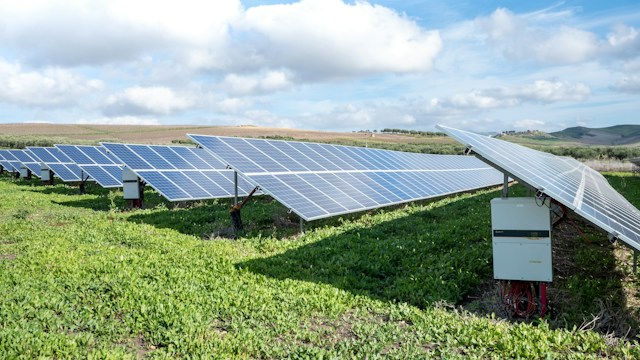
Homeowners investing in solar energy may want electrical infrastructure that supports future energy technologies.
Traditional electrical panels can work with solar installations when properly designed and approved.
Smart electrical panels may offer additional monitoring or control options when paired with compatible solar inverters and battery systems.
Certain configurations can help prioritize essential circuits during backup power operation.
For example, homeowners may choose to prioritize refrigeration, lighting, or selected outlets when operating on limited battery capacity.
Actual backup capabilities depend on the battery, inverter, transfer equipment, electrical design, and smart panel compatibility.
Installation Costs and Long-Term Value
Traditional electrical panel upgrades are often less expensive than installing advanced smart panel systems, although actual costs depend on the property.
Smart panels generally involve additional equipment, communication features, and potentially more complex installation requirements.
Homeowners should consider the initial installation expense alongside potential benefits such as energy monitoring, circuit management, and compatibility with future electrical upgrades.
Energy savings are not guaranteed simply by installing a smart panel. Savings depend on whether monitoring information and control features lead to meaningful changes in electricity consumption.
Which Electrical Panel Should You Choose?
A traditional panel may be sufficient for homeowners who primarily need safe, reliable electrical distribution without advanced monitoring features.
A smart panel may be more suitable for households interested in detailed energy tracking, compatible battery backup management, or advanced load control.
Before making a decision, homeowners should consider their electrical service capacity, existing equipment, budget, and future plans.
An electrical professional can assess the property and recommend an appropriate solution based on those requirements.
Conclusion
Both traditional and smart electrical panels can provide reliable electrical distribution when correctly selected and installed.
The best choice depends on whether the homeowner needs conventional electrical functionality or wants additional monitoring and energy management capabilities.
Sunforge helps Washington homeowners explore smart electrical panel installations and electrical upgrades tailored to their properties and energy goals.