
The Complete Guide to Residential Solar Energy in Washington State
Introduction
Solar energy is becoming an increasingly practical option for homeowners who want greater control over electricity costs and a more sustainable lifestyle. In Washington State, many residents are exploring rooftop solar systems as a way to generate renewable electricity and reduce their dependence on traditional utility power.
Although Washington is known for cloudy weather, solar panels can still generate electricity throughout the year. Understanding how residential solar works, what installation involves, and which factors affect performance can help homeowners make informed decisions.
How Does Residential Solar Energy Work?
Residential solar systems convert sunlight into usable electricity through photovoltaic (PV) panels. These panels contain solar cells that generate direct current (DC) electricity when exposed to sunlight.
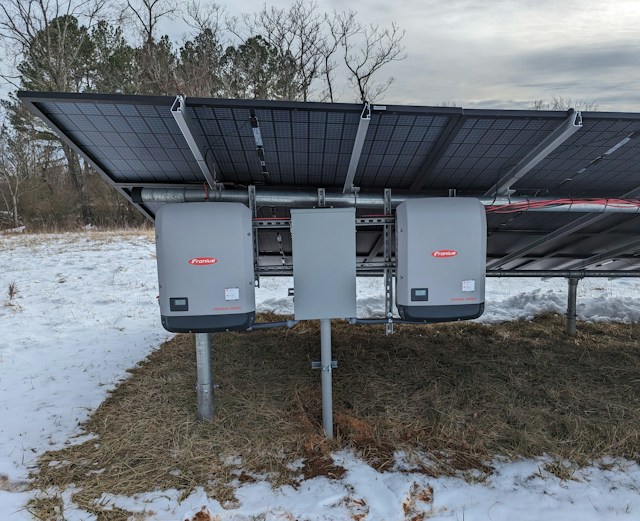
An inverter converts this electricity into alternating current (AC), which powers common household appliances, lighting, and electrical equipment.
When a solar system generates more electricity than the home needs, excess energy may be exported to the utility grid, depending on the system configuration and utility arrangements.
Homeowners can also consider battery storage systems to save some of their generated electricity for later use.
Can Solar Panels Work in Washington’s Climate?
One common misconception is that solar panels require constant sunshine to operate efficiently.
In reality, photovoltaic panels can generate electricity using both direct and diffuse sunlight. This means they continue producing energy during cloudy conditions, although output is generally lower than on clear, sunny days.
Washington experiences seasonal variations in sunlight. Solar production is typically higher during longer summer days and lower during shorter winter days.
A properly designed system considers these seasonal differences, local weather patterns, roof orientation, and shading.
Professional solar assessments help homeowners understand realistic annual electricity production rather than relying on exaggerated performance expectations.
Benefits of Installing Residential Solar Panels
Solar energy offers several potential advantages for Washington homeowners.
Reduced Electricity Purchases: Generating electricity at home can reduce the amount purchased from a utility provider.
Greater Energy Independence: Solar generation allows households to produce a portion of their own electricity.
Environmental Benefits: Solar electricity can reduce reliance on fossil-fuel-based electricity generation.
Long-Term Value: A well-designed solar system may provide financial benefits over its operating life, depending on installation costs, electricity rates, incentives, and maintenance.
The actual benefits vary by property and energy consumption.
What Factors Affect Solar Installation Costs?
The cost of residential solar installation depends on several factors, including system size, equipment selection, roof condition, electrical infrastructure, and installation complexity.
Larger systems generally require more panels and equipment, while properties with complicated roof structures may need additional planning.
Electrical panel upgrades may also be necessary for some homes.
Homeowners should request a customized assessment rather than assume that one standard price applies to every installation.
Financing options and available incentives can influence overall affordability, but eligibility and program terms should always be verified.
How to Choose the Right Solar System
Choosing a residential solar system starts with understanding your household’s electricity consumption.
Reviewing recent utility bills can help identify typical energy usage and seasonal patterns.
A qualified solar professional can then evaluate roof space, sunlight exposure, shading, and existing electrical equipment.
System design should also consider future needs, such as electric vehicle charging or battery backup.
Homeowners should compare equipment warranties, installation proposals, expected production estimates, and ongoing service options before making a decision.
Conclusion
Residential solar energy can be a valuable investment for Washington homeowners seeking cleaner electricity and greater energy independence.
By understanding system performance, installation requirements, and realistic financial expectations, homeowners can choose solutions suited to their properties.
Sunforge provides customized residential solar installation services for Washington homes, focusing on practical system design, quality workmanship, and dependable support.